Women entrepreneurship in rural area of India is necessity for the economic, social and industrial growth of the country Skills Development plays a major role in overcoming marginalisation and enhancing inclusion, while employment promotion contributes to improve the Economic conditions of people and poverty reduction. Quality skills development can be an important tool to improve an individual’s access to employment. For enterprises to survive in this competitive economy, quality skill training is indispensable part. To increase the prospect and opportunities of future job market, promotion of self-employment, soft skills and entrepreneurship skills will be made integral part of skill development. Skill building and Micro enterprises are complimentary to each other and are considered to be growth engines of economic development in a State like Assam where industries are not adequate enough to boost the overall development. In order to sustain and grow, the capacities of these enterprises are required to be built and skill to be infused to survive the competition.
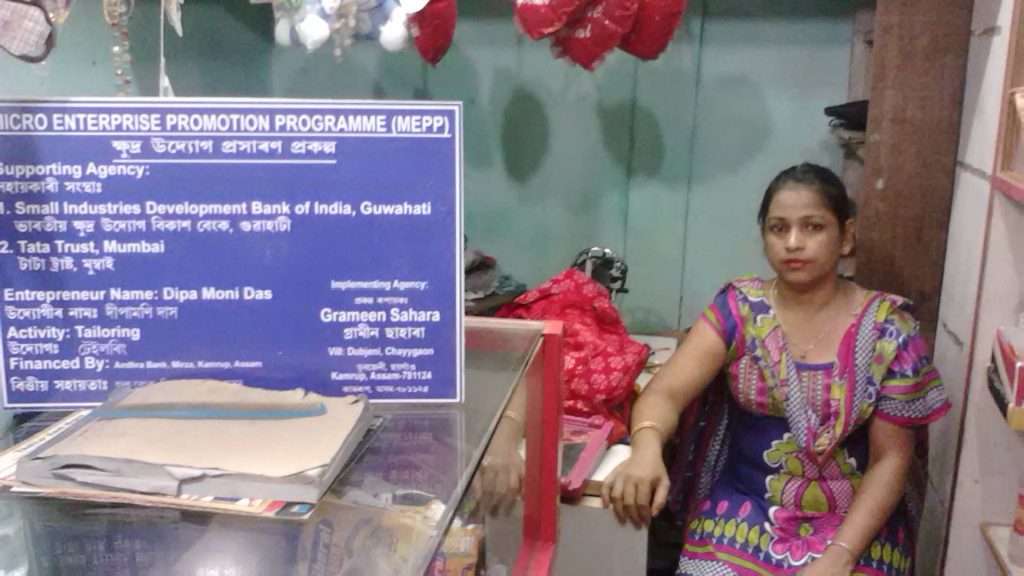
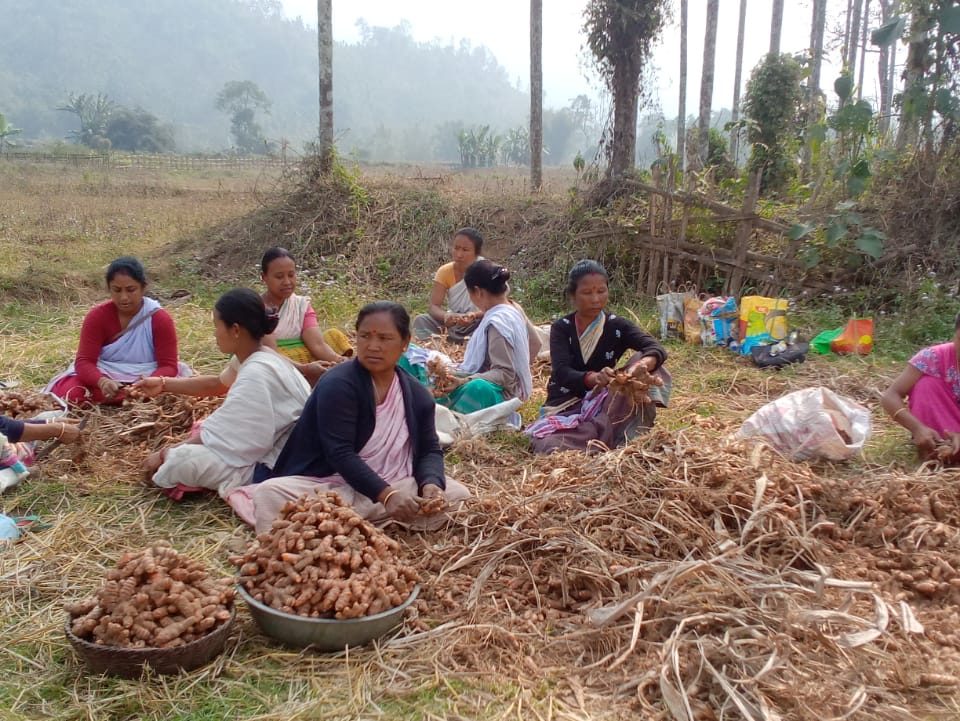
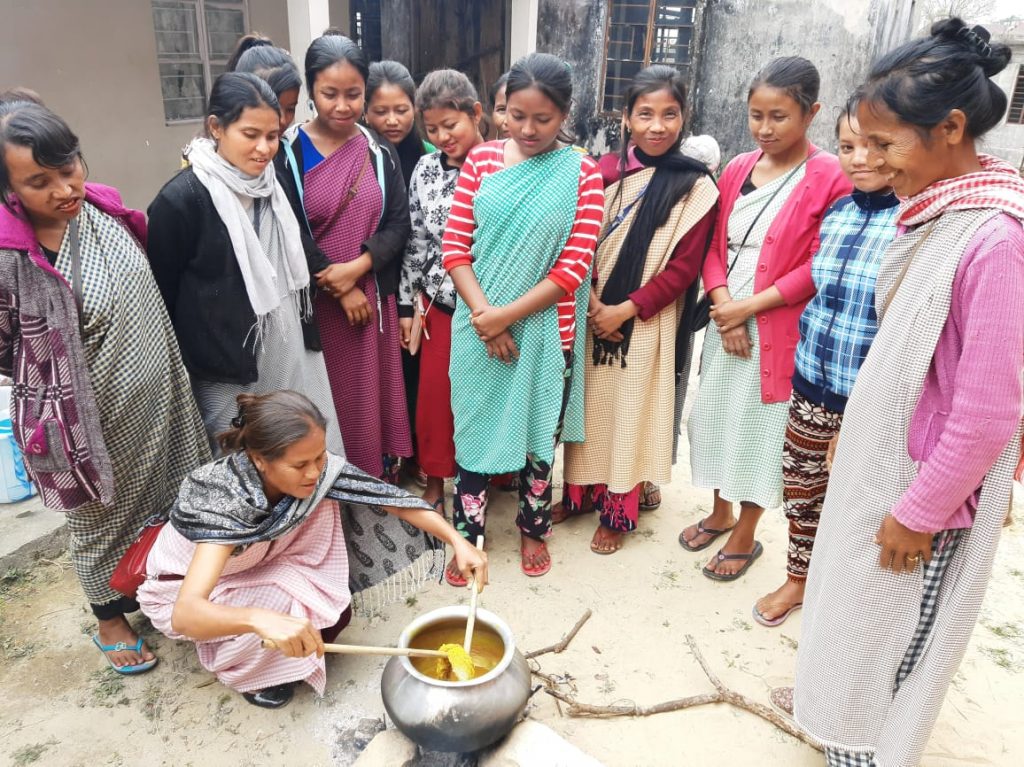
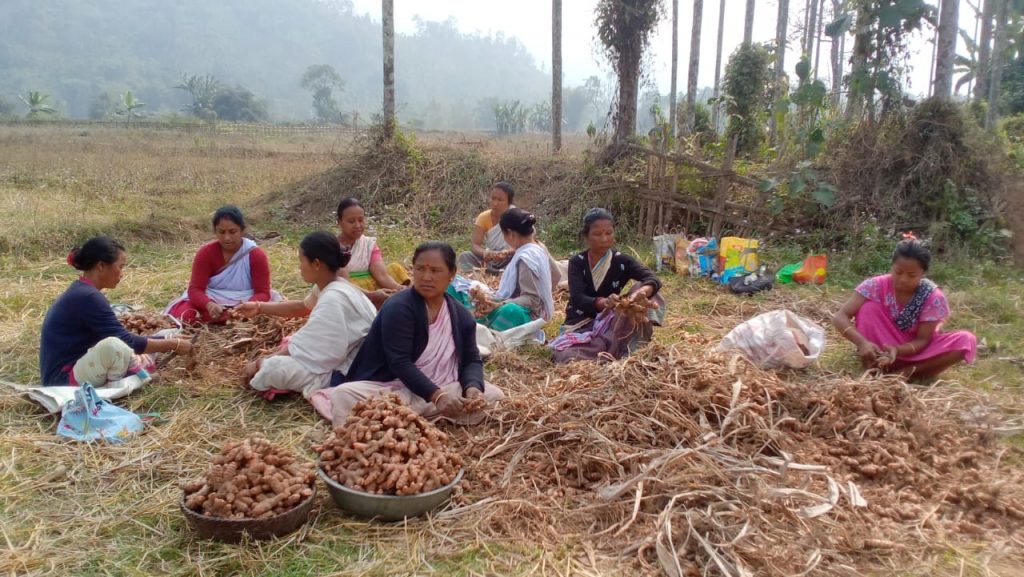
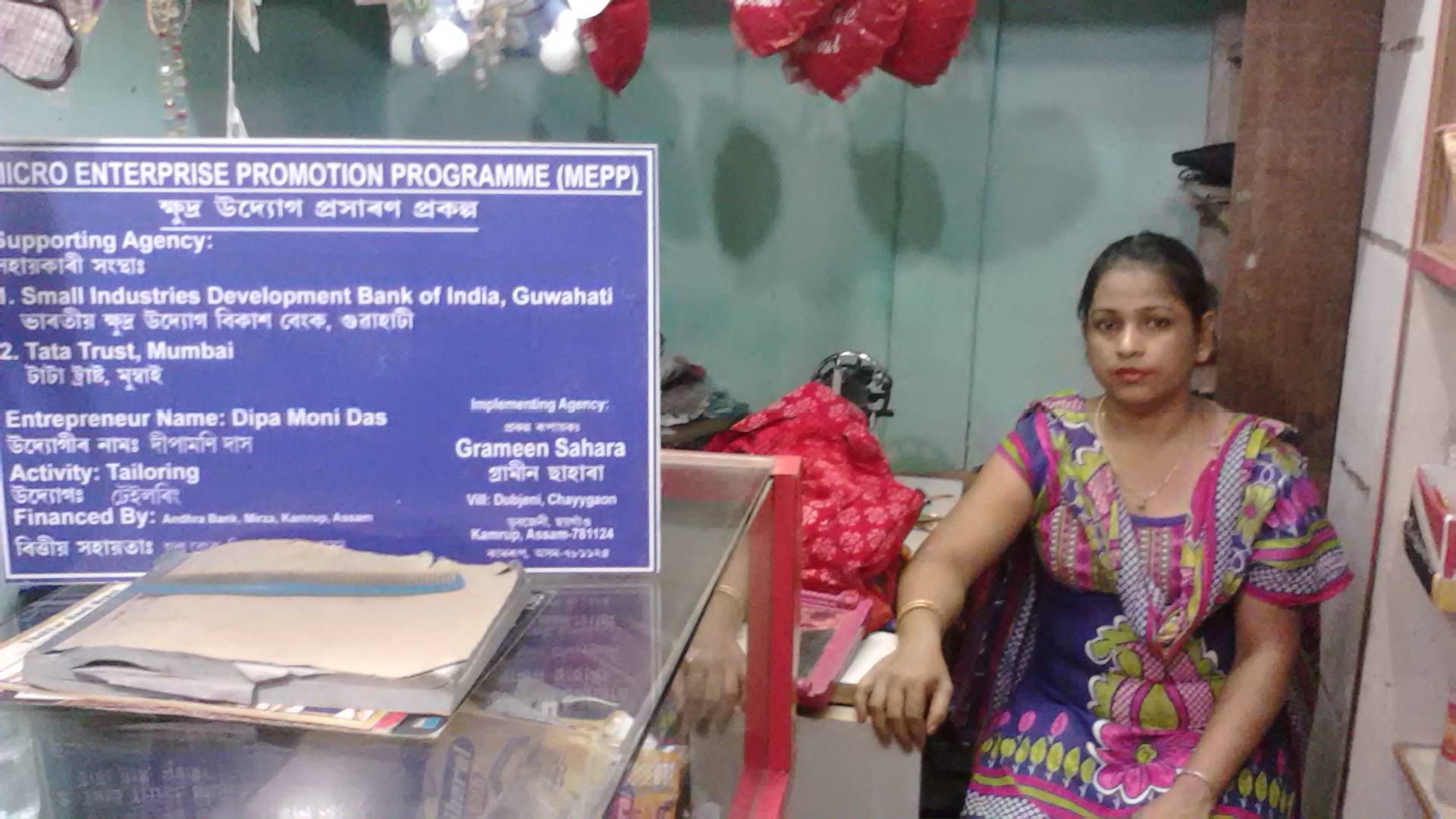
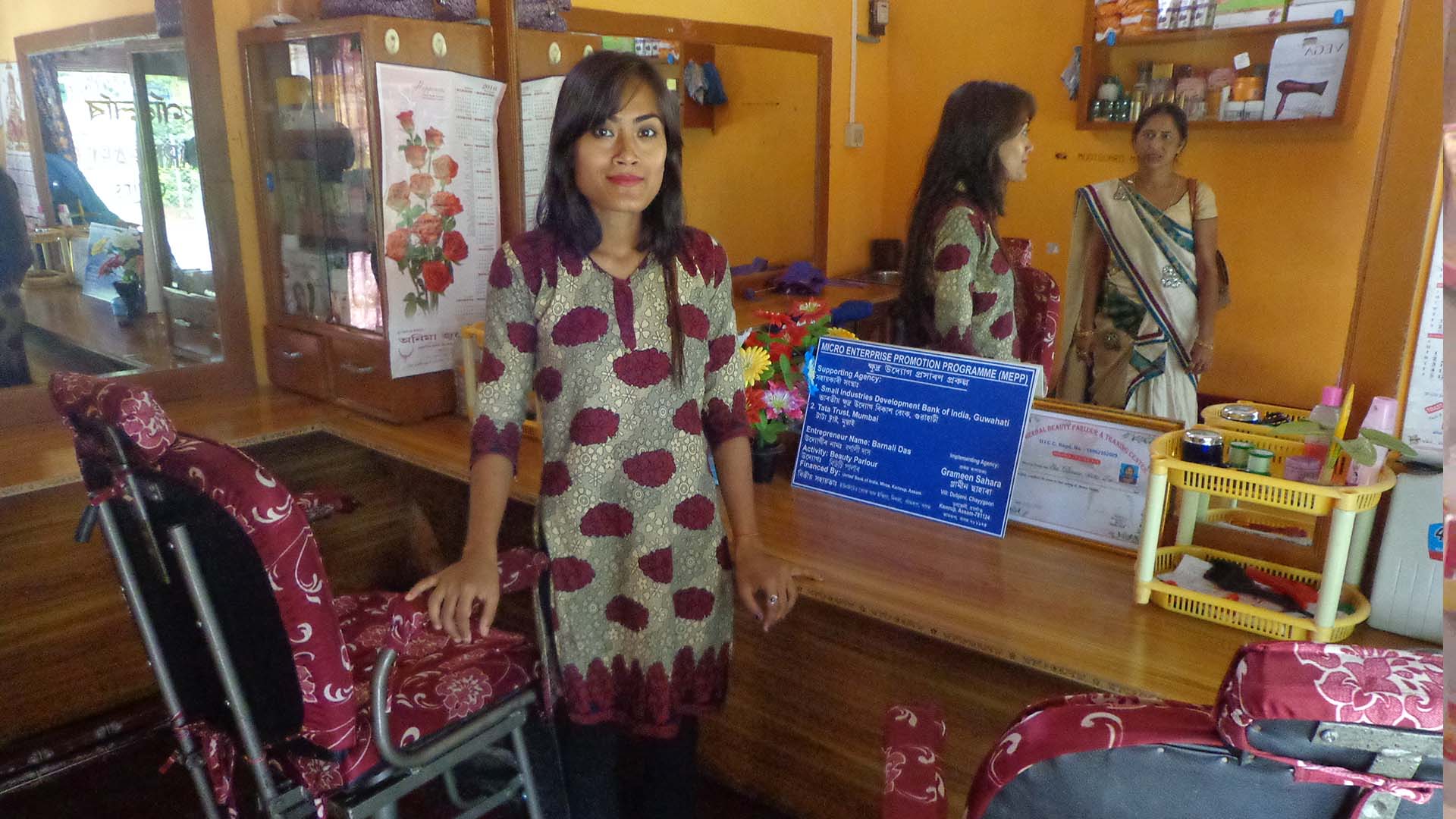
Empowered women always have various opportunities in her life and can utilize it to its full potential. Her empowerment can be reflected in the indicators like female literacy rate, Participation rate etc. Grameen Sahara, with a view to focus more on the issue of empowerment has initiated the program of promoting women entrepreneur in various business activities such as handloom, Tailoring, Beauty Salone, Confectionary, stationary shops etc. with the support of SIDBI.. Communities in this region is rich in traditional art and craft activities, traditional fabrics weaving of different tribes, and have reasonable understanding of manufacturing and production activities. But the people were not much aware of the schemes available for getting a loan to upgrade an enterprise. And most of the people from rural areas fear to deal with the banks due to lack of knowledge and financial literacy. Keeping that in mind, through the project intervention we had identified potential entrepreneurs and trained them through conducting various skill development programs, EDP in groups and exposure visits from different areas of Kamrup and Goalpara districts of Assam where major stress was to give the marketing of the produces as well as soft skills required to manage customers. Till date we have promoted 519 numbers of women entrepreneurs, built their capacities and linked them to bank and other financial institutions towards credit linkage.
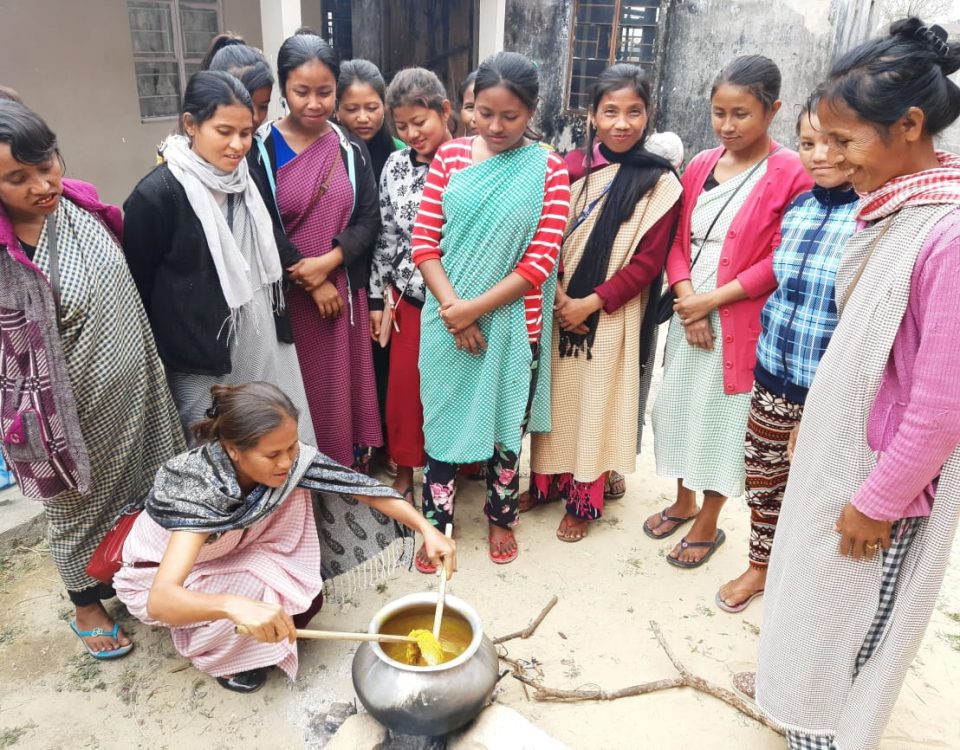
Institution Building: Strong community institutions are essential for sustainable and participatory development. Grameen Sahara supports the formation and strengthening of women’s groups, farmer collectives, and community-based institutions to enhance leadership, collective action, and local governance. By building the capacities of grassroots institutions, we foster greater ownership, accountability, and long-term community resilience.
NRM & Climate Solutions: Sustainable management of natural resources is critical for protecting livelihoods and ensuring climate resilience. Grameen Sahara promotes sustainable and agroecological, climate resilient agricultural practices, biodiversity conservation, soil and water management, and climate adaptation strategies in rural communities. By encouraging community-led environmental action, we help build resilient ecosystems and sustainable futures for vulnerable populations.
Education: Education is a powerful pathway to opportunity and social transformation. Grameen Sahara works to improve access to inclusive and quality education for children and young people from underserved communities, through the institution Grameen Jyoti Academy. Through learning support, life skills education, digital literacy, and community engagement, we aim to create enabling environments where every child can learn, grow, and thrive with confidence.
Skill & Micro Enterprise Promotion: Economic empowerment begins with sustainable livelihoods and local entrepreneurship. Grameen Sahara works with rural women and youth to strengthen skills, promote micro-enterprises, and create market-linked livelihoods open to all. Through training, leadership, education, and financial literacy support, we help communities build resilient incomes and move towards long-term economic and long-term resilience.
Financial Inclusion: Many of rural families remain excluded from formal financial systems, limiting their ability to save, invest, and protect themselves from shocks. Grameen Sahara works to bridge this gap by providing financial literacy training and facilitating bank linkages for vulnerable and low-income households. By building the financial confidence and creditworthiness of community members — particularly women — we open pathways to economic independence and long-term resilience.
Gender Inclusion: Gender equality is not just a goal — it is a prerequisite for sustainable development. Grameen Sahara actively works to dismantle barriers that limit the participation, voice, and opportunity of women and girls in community life. Through awareness campaigns, capacity building, and creation of safe spaces, we support women to take leadership roles in households, self-help groups, and local governance — building a society where every individual, regardless of gender, can contribute fully and live with dignity.
WASH & Health: Access to safe water, sanitation, and healthcare is the foundation of dignified living. Grameen Sahara works with rural communities to improve water and sanitation infrastructure, promote hygiene behavior change, and strengthen access to preventive and curative healthcare. By addressing these basic needs, we help families — especially women and children — live healthier, more productive lives, and reduce the burden of preventable illness that keeps communities trapped in poverty.
Executive Director, Grameen Sahara
Mr. Das is a postgraduate in Business Administration with over 18+ years of experience in community development. He began his career in market research and sales with a leading Indian IT company before transitioning to the development sector. He has held various roles in program management, strategy development, partnership building, and coordination across areas such as microfinance, livelihoods, community development, participatory decision-making, and development administration. He has been instrumental in promoting several community-owned institutions that continue to function successfully and brings a strong combination of grassroots insight and managerial experience.
Founder, Grameen Sahara & MD, GDFPL
Mr.Das is a graduate of Assam Agricultural University with a PG Diploma in Rural Development and is a Certified Expert in Microfinance. He has attended the Middle Management Programme at IIM Ahmedabad and a specialised programme at Wageningen University on organized farmers in agribusiness. His experience spans RGVN, Sa-Dhan (New Delhi), and HDFC Bank (Agri & Microfinance, Corporate Banking Group), before joining Grameen Sahara as CEO. A grassroots leader, his interests include community development, microfinance, natural resource management, social entrepreneurship, and institution building, with extensive experience in social mobilization and systems strengthening. He also serves on the boards of CML Society, CoE, NEMFA, and Diya Foundation.
Associate Professor, Department of Economics, Chhaygaon College
Dr. Das is a faculty member at Chhaygaon College, Kamrup, Assam, with strong grassroots understanding and experience in livelihoods, community development, participatory decision-making, development administration, civil society engagement, and issues related to land, food, and development.
Founder, Eri Weaves
Iaishah Rymbai is an entrepreneur, master weaver, and social leader with over 20 years of experience in handloom weaving and natural dyeing. She is the Founder & Director of Eri Weave Pvt. Ltd., promoting sustainable Eri silk weaving and empowering artisans, especially women, in Meghalaya. She also serves as Founder Secretary of the Raid Iapngar Handloom Weavers Cooperative Society (since 2009), President of the Cluster Level Federation, Bhoirymbong under NRLM (since 2023), and a Non-Official Member of the District Planning and Development Council, Ri Bhoi District (since 2024). Recognized among the Top 50 Entrepreneurs in Meghalaya’s PRIME Cohort 2.0, her work focuses on sustainable livelihoods, skill development, and preservation of cultural heritage.
Sr. Manager, Ethical Sourcing, Twinings
Mr. Borah is currently working as Ethical Sourcing Manager, India & Sri Lanka at Twinings. He is also a Ford fellow and has a grassroots understanding and experience in livelihood, Community Development, participatory decision making, development administration, civil society, land food and development.
Director, Policy & Technical Support, WaterAid
Mr. Sinha is a social development specialist with over 27 years of experience in strategy, partnerships, grant-making, programme design and scale-up, and policy formulation. He has a deep understanding of Indian social issues and is skilled in engaging diverse stakeholders to build development models that have been successfully scaled by mainstream agencies. He has worked across leading Indian non-profits, from grassroots implementation to policy-level engagement, and played a key role in shaping strategy and institutional partnerships at Tata Trusts. He is currently associated with WaterAid India as Director – Policy and Technical Support.
Professor, Department of Mechanical Engineering, IIT – Guwahati
Dr. Kalita is a Professor at IIT Guwahati with strong grassroots understanding and experience in livelihood promotion, community development, participatory decision-making, development administration, civil society engagement, and issues related to land, food, and development.
Former MD, AIIDC
Mr. Saikia is an engineering graduate and also holds a postgraduate degree in Arts. He has served as the Managing Director of AIIDC and as Additional Director in the Department of Industries, Government of Assam. He also served on deputation as General Manager at NEDFi. A dynamic and grounded technocrat, he is deeply committed to development initiatives. Mr. Saikia is a dedicated professional with strong engagement among young entrepreneurs in Assam and is widely regarded as an inspiration to emerging entrepreneurs.